




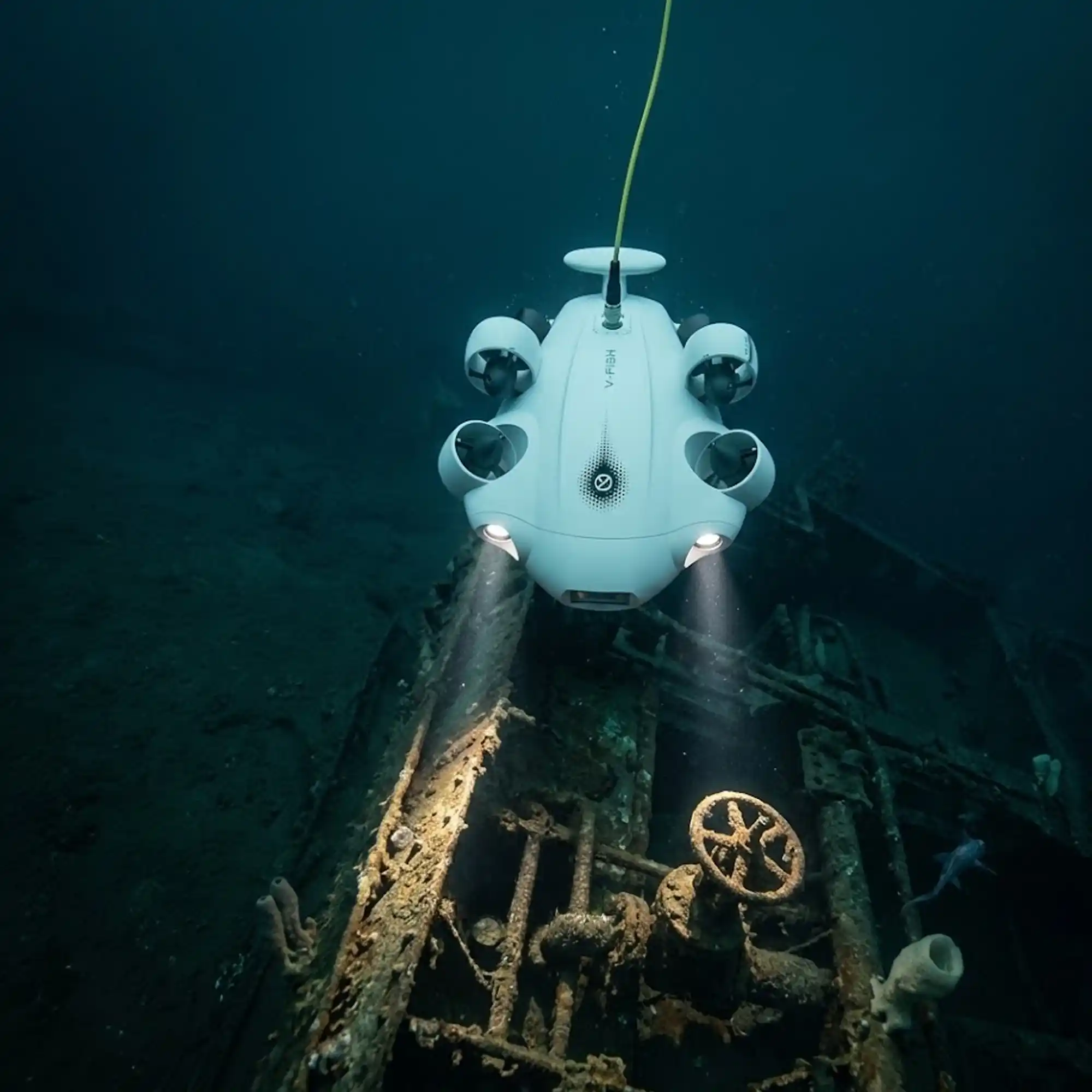
The term ROV is increasingly returning in industrial, maritime, and environmental sectors.
But what does this acronym really mean? And above all, what is a ROV actually used for?
Whether you're simply curious or looking for an inspection solution, here's everything you need to know.
What is an ROV?
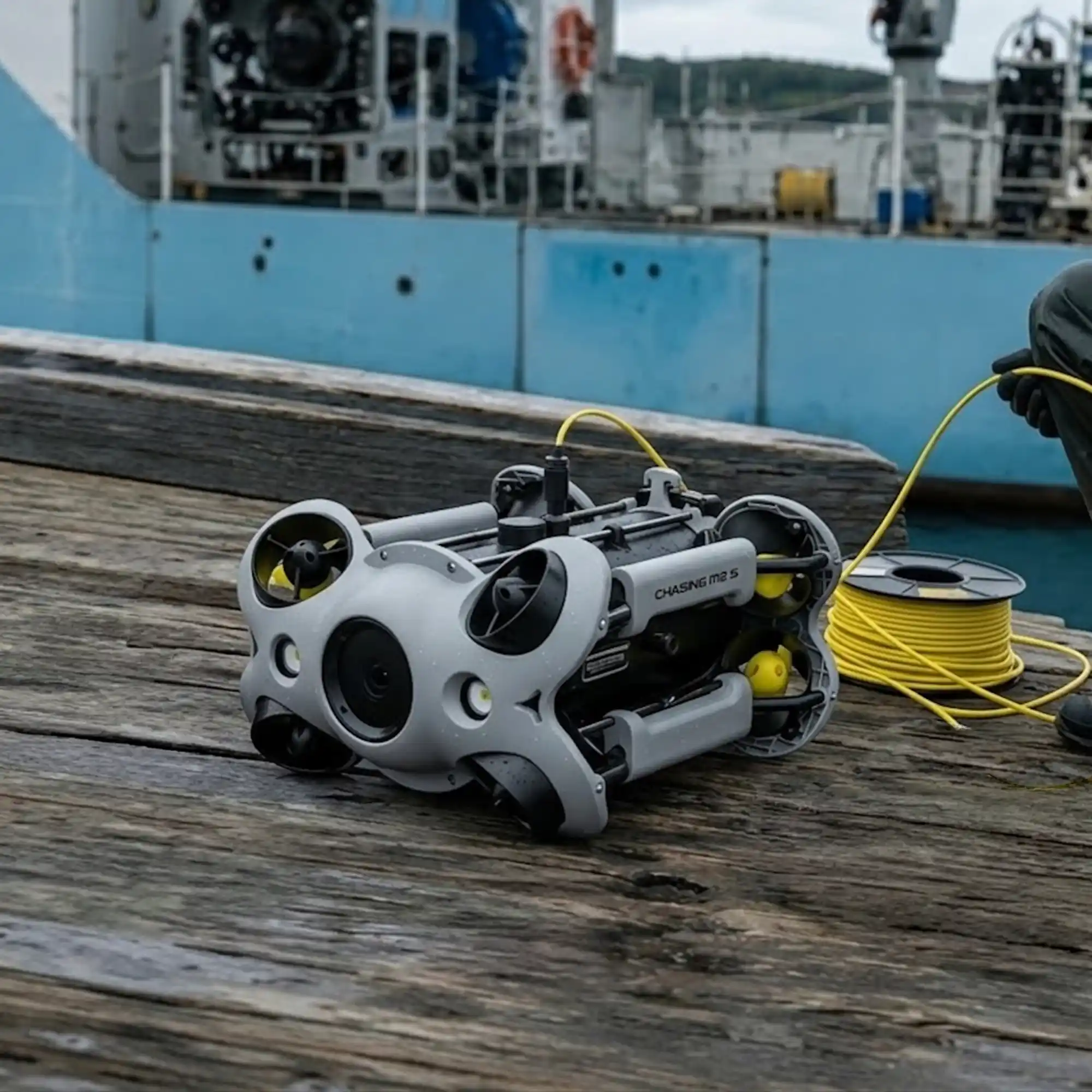
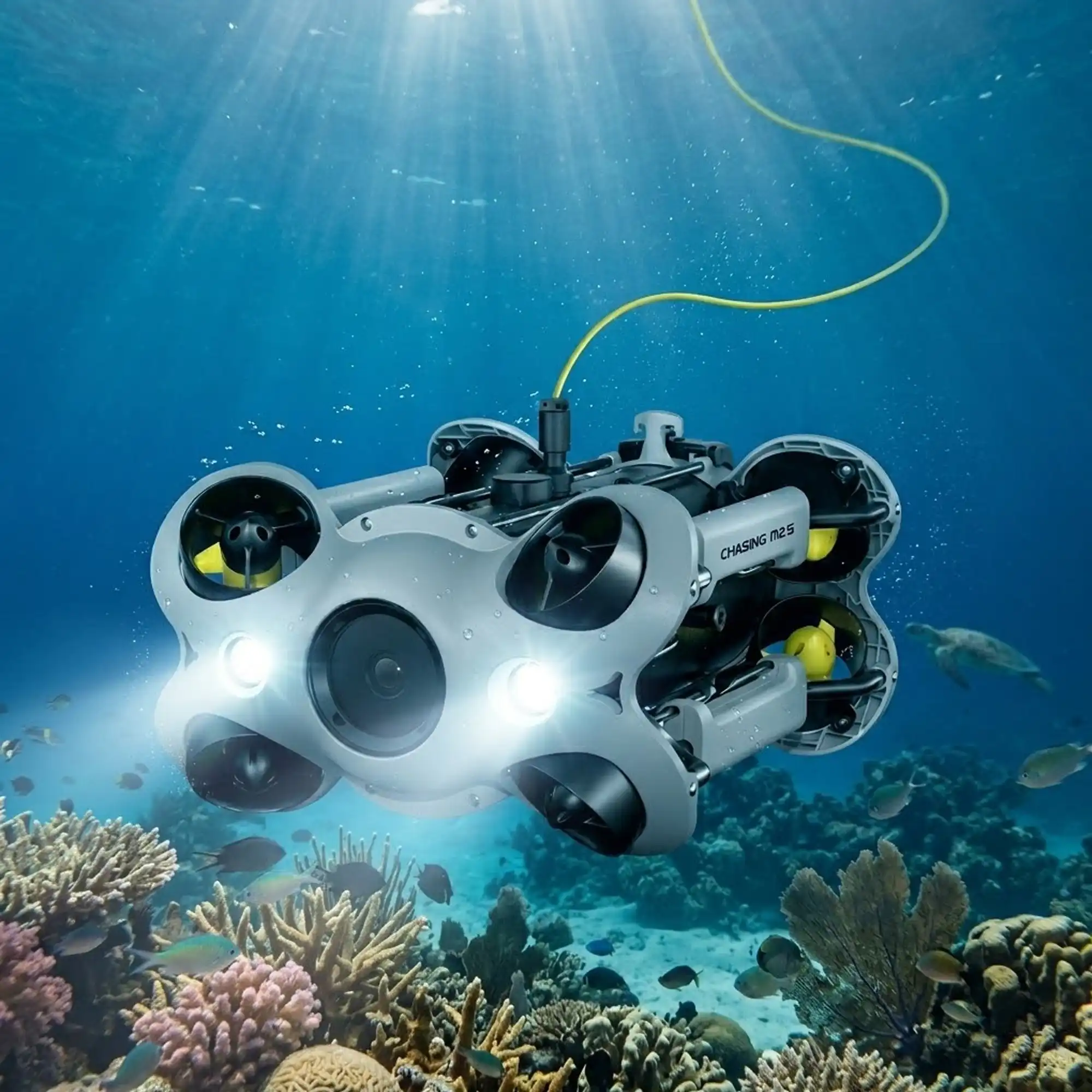
A ROV Remotely Operated Vehicles, or underwater drone, is a robot capable of operating underwater while being remotely operated from the surface.
Unlike an autonomous aerial drone, the ROV is connected to an operator via a cable called umbilical.
This cable allows:
- to transmit the commands
- to power the robot
- to upload images and data in real time
In summary:
An ROV is like a “tethered underwater drone,” used to see, inspect, and intervene without needing to send a human.
How does an ROV work?
An ROV is composed of several key elements:
The underwater robot
Equipped with:
- engines (thrusters) for movement
- cameras for filming
- lighting to see in the dark
The umbilical cable
It connects the ROV to the surface and allows for:
- piloting
- data transmission
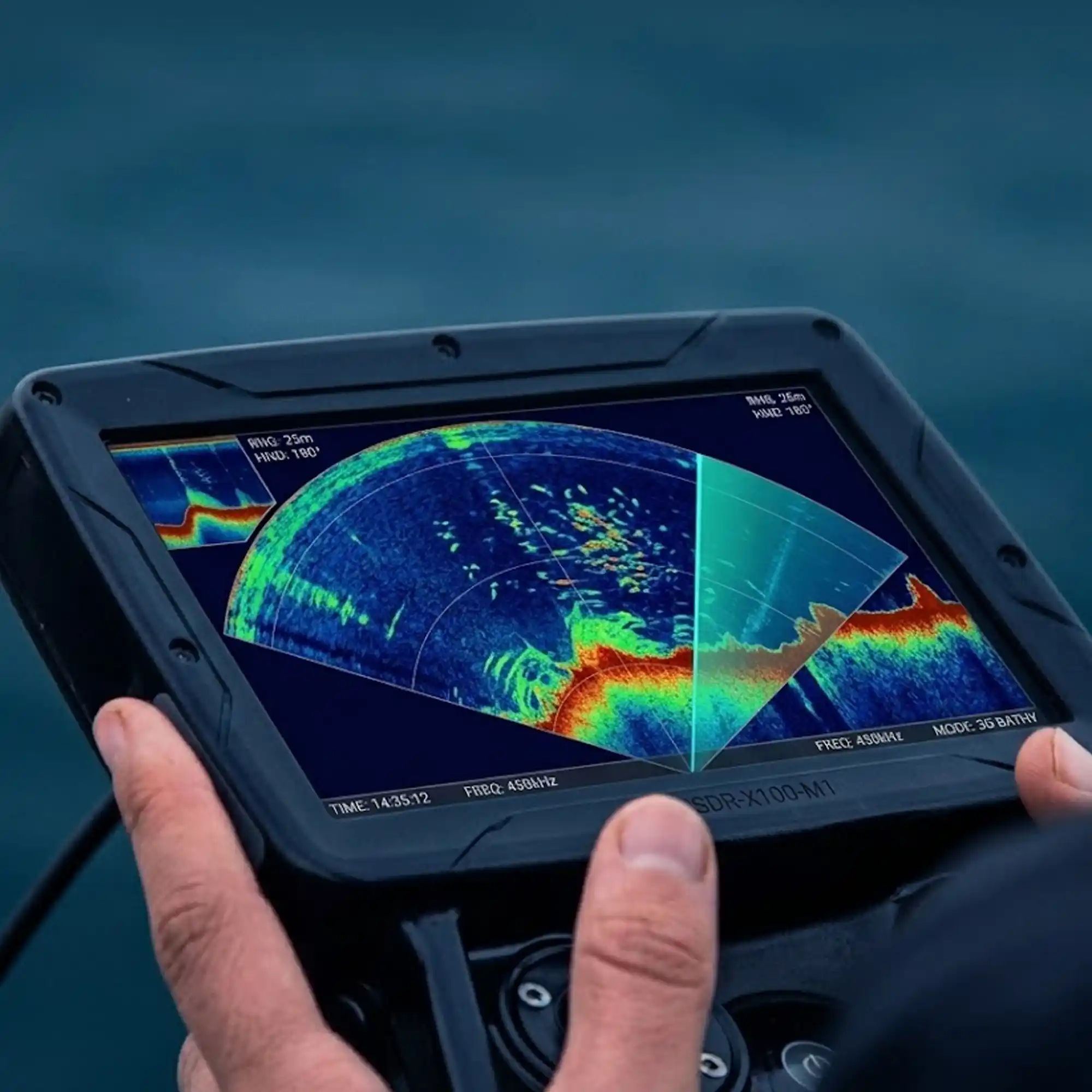
The control station
This is where the operator pilots the ROV:
- via a remote control
- with live video feedback
The operator sees exactly what the ROV sees.
What is an ROV used for?
ROVs are used in many fields, primarily for inspect, observe, and intervene underwater.
1. Inspection of structures and infrastructure
This is the main use.
👉 An ROV allows for inspection of:
- pipes
- marine envoys
- dams
- port structures
Objective:
- detect anomalies
- check the status of the installations
- avoid invasive interventions
2. Intervention in a difficult environment
Underwater, conditions are often complex:
- very low visibility
- difficult access
- confined spaces
👉 The ROV allows intervention where:
- Access is complicated
- The conditions are risky
3. Observation and Data Collection
An ROV doesn't just film.
It can also:
- record HD or 4K videos
- take pictures
- integrate sensors (corrosion, thickness, etc.)
These data are used to:
- create reports
- track the evolution of a structure
- make technical decisions
4. Light Interventions
Some ROVs can be equipped with:
- Manipulator arms
- specific tools
👉 They can then:
- retrieve an object
- perform small manipulations
- assist technical operations
ROVs are used in which sectors?
The applications are very varied:
Industry
- tank inspection
- facility control
Maritime and Port
- dock inspection
- shell check
Environment and Water
- sewer networks
- Rivers and dams
Energy
- inspection of submerged structures
- Infrastructure maintenance
Why use an ROV?
The main advantage of an ROV is simple:
👉 underwater intervention without directly exposing an operator
The benefits are numerous:
- Security upgrade
- access to complex areas
- time saving
- actionable data
👉 The ROV thus becomes an essential tool for modern inspections.
ROVs and Human Interventions: A Complementary Approach
The ROV does not entirely replace human intervention.
👉 It especially allows:
- to prepare the operations
- to inspect upstream
- limit the necessary interventions
In many cases, it is used in addition to the field teams, to improve overall efficiency.
ROV, AUV, USV: What's the difference?
There are several types of marine robots.
💡 To learn more, check out our dedicated article:
Conclusion
The ROV, or underwater drone, is a technological tool that has become indispensable for:
- inspect
- observer
- underwater intervention
Versatile, precise, and secure, it adapts to numerous professional environments and uses.
Want to know more?
At ROV Expert, we support professionals in:
- The choice of their ROV
- the implementation of appropriate solutions
- optimizing their inspections
- The rental and purchase of ROVs